Global Japanese Sushi Rolls
Highlighted under: Travel Food | International Meals
I absolutely love making sushi at home, and these Global Japanese Sushi Rolls have become a staple in my kitchen. The combination of fresh ingredients and unique flavors creates a wonderful culinary experience that satisfies both my taste buds and creativity. With a little practice, rolling sushi is easier than it seems, and it's a perfect activity for gatherings with friends. I'm always excited to experiment with different fillings, making each roll a delightful surprise!
When I first ventured into making sushi, I was intimidated by the precision it required. However, after a few attempts, I discovered that with fresh ingredients and a bit of patience, the results can be incredibly rewarding. I particularly cherish the time spent leisurely rolling sushi with loved ones, allowing everyone to customize their fillings.
A tip I learned along the way is to slightly wet your hands while handling the rice; this prevents it from sticking excessively. The flavor combinations in these Global Japanese Sushi Rolls are endless, and I encourage everyone to get creative with their ingredients!
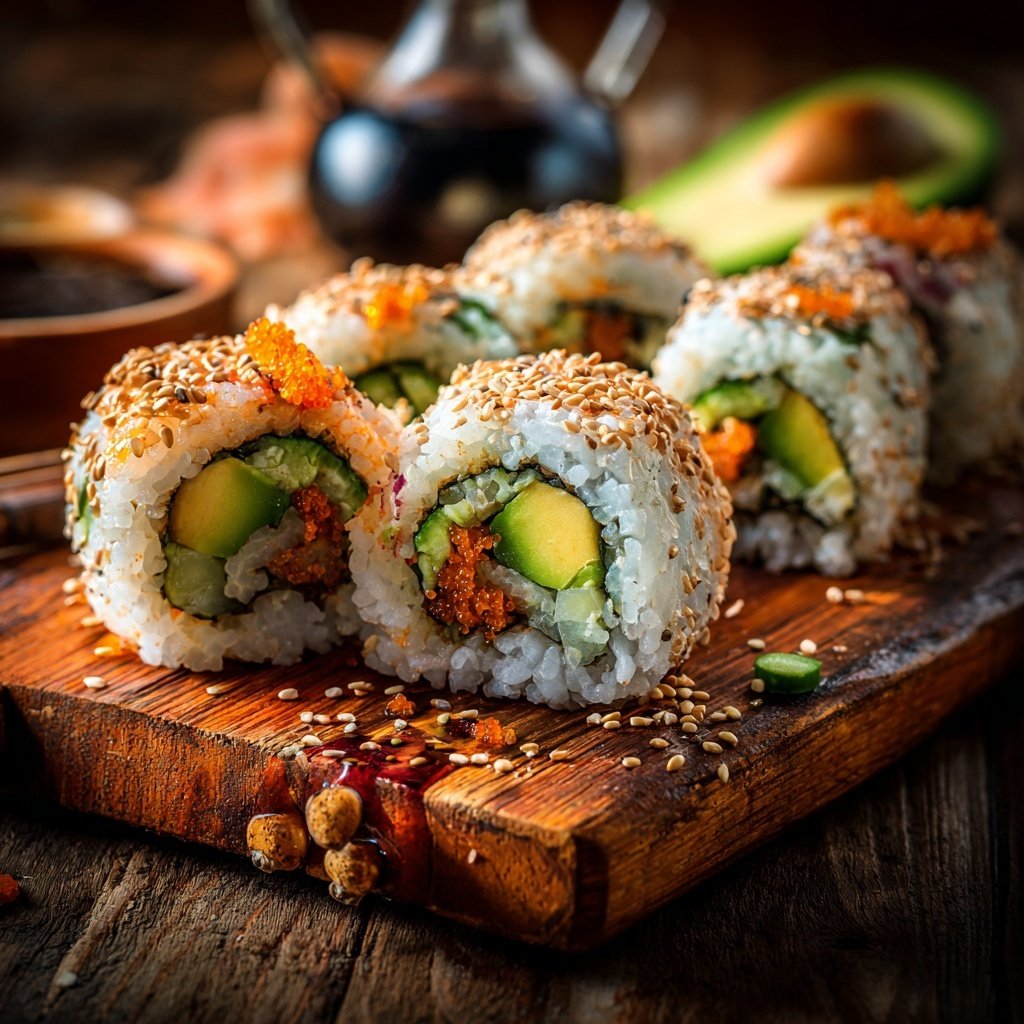
Why You'll Love This Recipe
- A delightful blend of fresh ingredients and international flavors
- A fun hands-on activity perfect for gatherings
- Customizable fillings that cater to all taste preferences
Understanding Sushi Rice
The foundation of any great sushi roll is sushi rice, which is characterized by its sticky texture and slightly chewy bite. This unique quality comes from the short-grain rice used; it absorbs water efficiently and becomes gluey when cooked. Choosing high-quality sushi rice is crucial, as it ensures that the rolls hold together well during slicing and eating. I recommend brands labeled specifically as sushi rice for best results.
When rinsing the sushi rice, aim for thoroughness: wash until the water runs clear. This process removes excess starch, preventing the rice from becoming gummy. After cooking, let the rice steam for an additional 10 minutes, which allows the grains to firm up and enhances the texture, making it easier to work with when rolling.
Perfecting Your Rolling Technique
Rolling sushi can seem daunting, but with practice, it becomes an enjoyable and rewarding skill. Wet your hands before handling the rice; this prevents sticking and helps you maintain control. Start by placing your nori on the sushi mat with the shiny side facing down, as this ensures the presentation is appealing once sliced. Use only the right amount of rice—about 1/2 inch thick—to create a balanced roll. Too much rice can lead to difficulty in rolling and uneven slices.
As you roll, apply gentle yet firm pressure. This is essential to compact the ingredients without spilling out, which can happen if the roll is too loose. A well-rolled sushi should hold its shape when sliced, creating aesthetically pleasing pieces that showcase the fillings. Don’t rush this step; take your time to ensure consistency across your rolls.
Making It Your Own
The versatility of sushi rolls is one of the aspects I love most about making them at home. While the classic cucumber and shrimp or tofu fillings are delicious, consider adding other ingredients for a unique twist. Try substituting the shrimp with smoked salmon or adding spicy mayo for a flavor kick. Veggies like bell peppers, or even fruits like mango, can introduce refreshing sweetness that pairs beautifully with the creamy avocado.
If you're looking to create a vegan version, focus on hearty plant-based fillings. Try marinated or grilled eggplant for a savory, umami flavor, or use marinated tofu for added protein. Always keep the balance of textures in mind—combining crunch with creaminess can elevate your rolls. An experimentation approach could lead to your new favorite filling!
Ingredients
Gather the fresh ingredients and tools before starting your sushi adventure!
Sushi Ingredients
- 2 cups sushi rice
- 2 1/2 cups water
- 1/2 cup rice vinegar
- 1 tablespoon sugar
- 1 teaspoon salt
- 4 sheets nori (seaweed)
- 1/2 cucumber, julienned
- 1 avocado, sliced
- 4 oz cooked shrimp or tofu
- Soy sauce, for serving
- Pickled ginger, for serving
- Wasabi, for serving
Feel free to mix and match different ingredients based on your preferences!
Instructions
Follow these steps to create your sushi rolls.
Prepare the Sushi Rice
Rinse the sushi rice under cold water until the water runs clear. Combine the rice and water in a rice cooker and cook according to the manufacturer's instructions. Once done, let it steam for another 10 minutes.
Season the Rice
In a small saucepan, heat rice vinegar, sugar, and salt until dissolved. Once the rice has cooled slightly, fold this mixture into the rice gently using a wooden spatula.
Assemble the Rolls
Lay a sheet of nori on a bamboo sushi mat, shiny side down. With wet hands, evenly spread about 1/2 inch of rice over the nori, leaving a small border at the top.
Add Fillings
Place your desired fillings in a line across the center of the rice. Roll the sushi tightly using the bamboo mat, applying gentle pressure.
Slice and Serve
Use a sharp knife to slice the roll into 6-8 pieces. Serve with soy sauce, pickled ginger, and wasabi.
Sushi rolls are best enjoyed fresh, so dive in immediately!
Pro Tips
- Experiment with various fillings such as crab, mango, or bell peppers to create your unique sushi rolls.
Storage and Make-Ahead Tips
Sushi rolls are best enjoyed fresh, but if you need to prepare in advance, it's possible to store components separately. Keep the sushi rice in an airtight container at room temperature for up to a few hours; refrigerating it may alter the texture. Nori sheets should remain in their original packaging until use to maintain crispness. The prepared fillings can be stored in the fridge for about a day, ensuring everything stays fresh until you're ready to roll.
If you have leftover sushi, it’s ideal to consume it the same day. However, if you must store it, wrap each individual roll in plastic wrap to retain moisture. When reheating, avoid using a microwave as it can make the rice tough. Instead, place the sushi in a steamer for a few minutes to warm it gently and restore some of its original texture.
Serving Suggestions
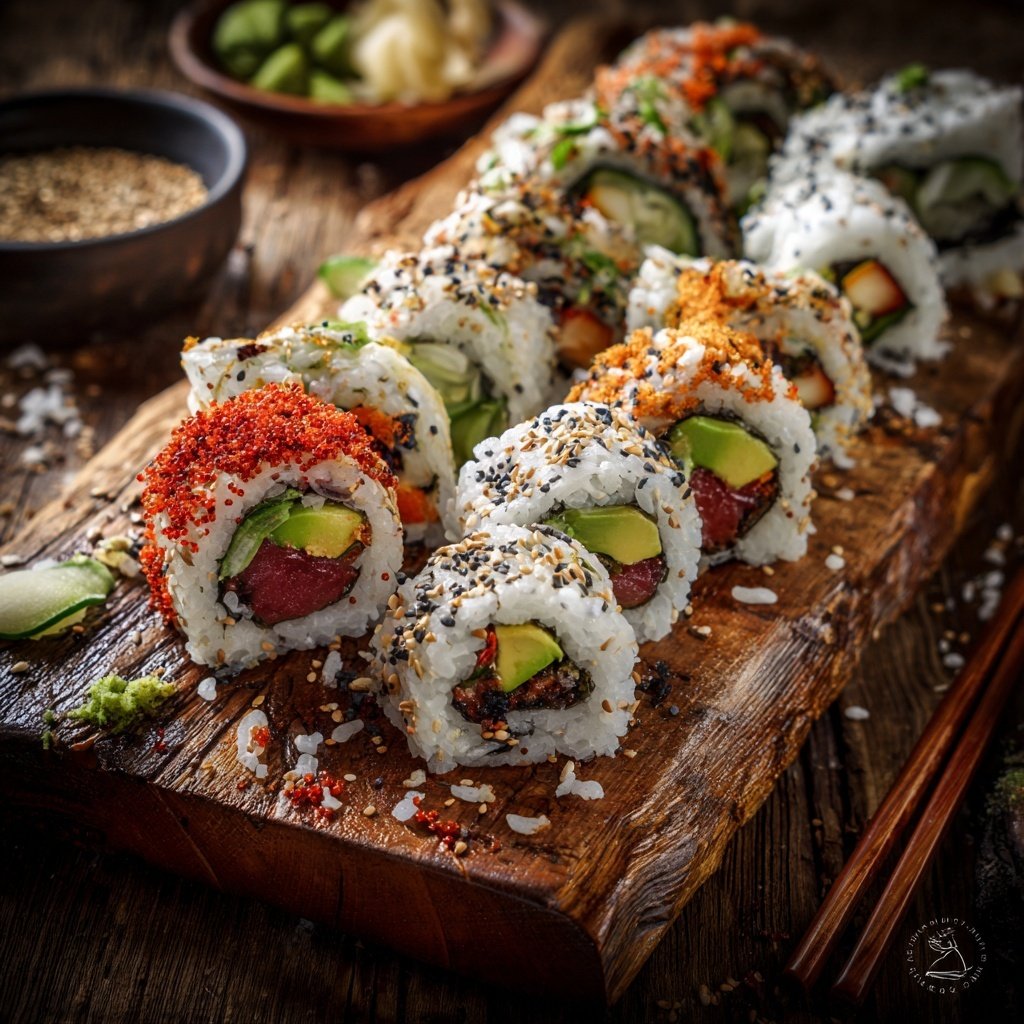
Serving sushi is where you can showcase your creativity. Arrange the rolls beautifully on a platter, perhaps adding a sprinkle of sesame seeds or a drizzle of soy sauce. Incorporating small bowls of dipping sauces, such as soy sauce, sweet chili, or eel sauce, can elevate the dining experience. Don’t forget to include pickled ginger and wasabi on the side for those who appreciate an extra kick while eating their sushi.
For a themed gathering, consider serving your sushi with complementary dishes like miso soup, edamame, or a light salad to provide a well-rounded meal. This pairing not only adds variety but also creates an enjoyable atmosphere for guests to experiment with different flavors and textures alongside their homemade sushi rolls.
Troubleshooting Common Issues
If your sushi rice isn’t sticky enough, it may be due to insufficient water or cooking time. Double-check your rice cooker settings, and consider letting it steam longer next time. On the other hand, overly sticky rice can result from washing it less thoroughly, making the rice gummy and challenging to roll. In the future, rinse thoroughly until the water runs clear to avoid this.
Another common issue is rolling too tightly, which can cause the ingredients to squish out. Practice will help you find the right pressure. If your rolls are coming apart during slicing, this could mean they weren’t rolled tightly enough or the rice was too wet. Adjusting your technique will lead to better shaping, resulting in perfect rolls ready to serve!
Questions About Recipes
→ Can I use regular rice instead of sushi rice?
No, sushi rice is essential for the right texture and stickiness needed for rolling.
→ How can I make sushi vegetarian?
Substitute shrimp or fish with veggies like bell peppers, carrots, or tempura vegetables.
→ How do I store leftover sushi?
It's best to eat sushi fresh. However, you can store leftovers in an airtight container in the fridge for up to 24 hours.
→ Is it safe to make sushi at home?
Yes, as long as you use high-quality, fresh ingredients and take proper food safety measures.
Global Japanese Sushi Rolls
Created by: The Jackiesrecipes Team
Recipe Type: Travel Food | International Meals
Skill Level: Intermediate
Final Quantity: 4 rolls
What You'll Need
Sushi Ingredients
- 2 cups sushi rice
- 2 1/2 cups water
- 1/2 cup rice vinegar
- 1 tablespoon sugar
- 1 teaspoon salt
- 4 sheets nori (seaweed)
- 1/2 cucumber, julienned
- 1 avocado, sliced
- 4 oz cooked shrimp or tofu
- Soy sauce, for serving
- Pickled ginger, for serving
- Wasabi, for serving
How-To Steps
Rinse the sushi rice under cold water until the water runs clear. Combine the rice and water in a rice cooker and cook according to the manufacturer's instructions. Once done, let it steam for another 10 minutes.
In a small saucepan, heat rice vinegar, sugar, and salt until dissolved. Once the rice has cooled slightly, fold this mixture into the rice gently using a wooden spatula.
Lay a sheet of nori on a bamboo sushi mat, shiny side down. With wet hands, evenly spread about 1/2 inch of rice over the nori, leaving a small border at the top.
Place your desired fillings in a line across the center of the rice. Roll the sushi tightly using the bamboo mat, applying gentle pressure.
Use a sharp knife to slice the roll into 6-8 pieces. Serve with soy sauce, pickled ginger, and wasabi.
Extra Tips
- Experiment with various fillings such as crab, mango, or bell peppers to create your unique sushi rolls.
Nutritional Breakdown (Per Serving)
- Calories: 450 kcal
- Total Fat: 10g
- Saturated Fat: 1g
- Cholesterol: 70mg
- Sodium: 600mg
- Total Carbohydrates: 74g
- Dietary Fiber: 5g
- Sugars: 3g
- Protein: 15g