Dessert Vanilla Sponge Cake
Highlighted under: Sweet Treats Recipes
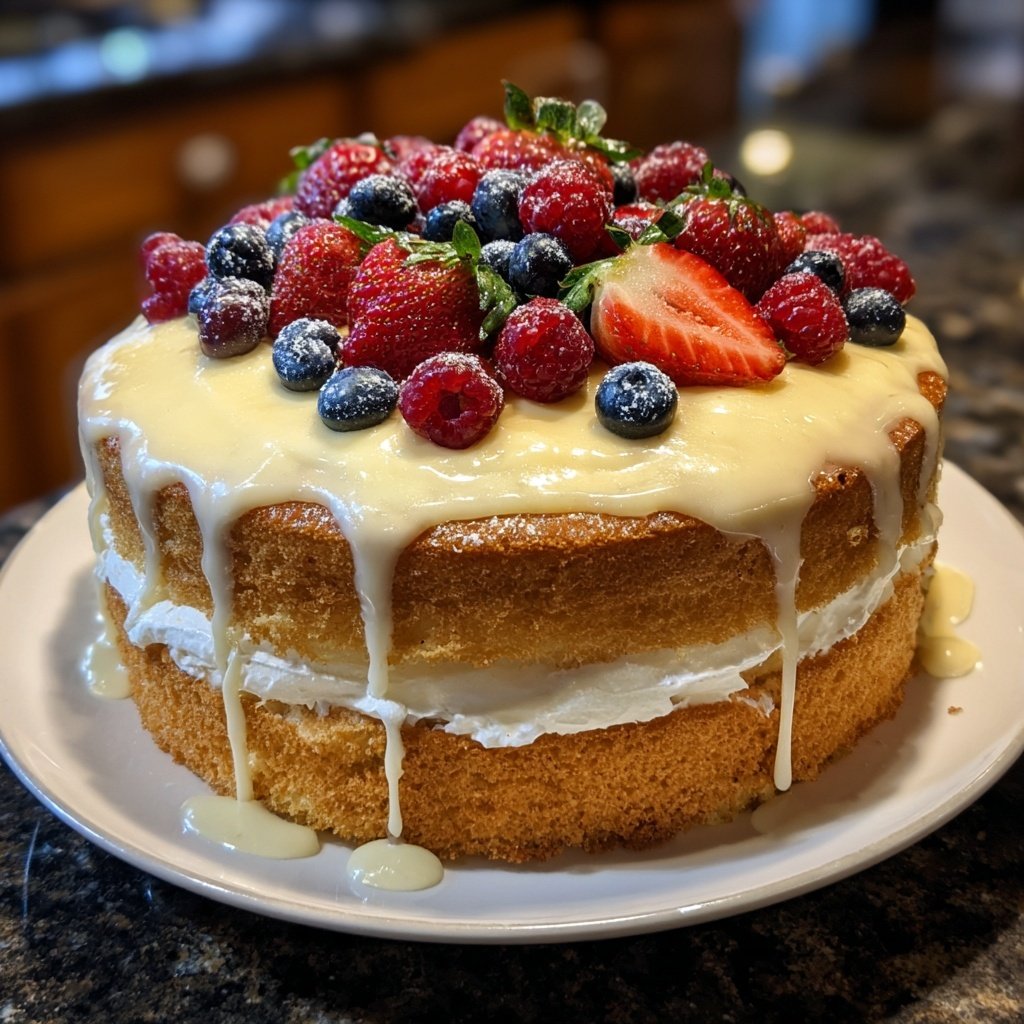
When I decided to bake a Vanilla Sponge Cake, I was motivated by my fond memories of childhood parties where such cakes were the centerpiece. Each slice brings a soft, cloud-like texture that melts in your mouth. This recipe is my go-to, and I love how versatile it is—perfect for stacking with cream or serving plain with a dusting of powdered sugar. It's easy to whip up with pantry staples, making it an ideal choice for both casual gatherings and elegant occasions.
Making this Vanilla Sponge Cake has been a delightful journey. I discovered that using room-temperature eggs and folding the flour gently is the key to achieving that airy, fluffy texture that defines a good sponge. It amazed me to see how these small details led to a cake that is both light and satisfying.
One of my favorite moments was when I served this cake at a family gathering. Everyone loved how moist and sweet it was without being overwhelming. I often pair it with fresh fruits or a dollop of whipped cream, enhancing its richness even further!
Why You'll Love This Recipe
- Delicate crumb with a buttery vanilla flavor
- Versatile base for custom toppings
- Perfect for any occasion, from casual to formal
Understanding the Ingredients
Each ingredient in this Vanilla Sponge Cake plays a pivotal role in developing its signature fluffy texture. The eggs are essential as they provide structure and stability, helping the cake rise during baking. The whipped butter and sugar create air pockets that expand, yielding that desired lightness. Be sure to use room temperature eggs; this ensures they incorporate smoothly into the mixture without cooling down the batter.
Substituting all-purpose flour with cake flour can yield an even softer crumb. If you're looking for a gluten-free alternative, consider using a 1:1 gluten-free flour blend, which tends to work well in recipes like this one. Just be aware that the texture may vary slightly, and you may need to adjust the liquid content to achieve the right consistency.
Baking Tips for Success
To achieve a perfectly baked sponge, use an oven thermometer to ensure your oven is at the correct temperature. If it's too hot, the cake might dome and crack; if it’s too cool, it could result in a dense loaf. I recommend starting to check for doneness a few minutes before the 30-minute mark by inserting a toothpick in the center. It’s done when it comes out clean or with just a few crumbs attached.
Letting the cake cool in the pan for 10 minutes is crucial for preventing sticking. If you notice that it's clinging to the sides, gently run a thin knife along the edges before flipping it out onto a wire rack. This cooling step helps to maintain the cake’s soft texture while ensuring it's easy to handle and decorate later.
Serving and Storing
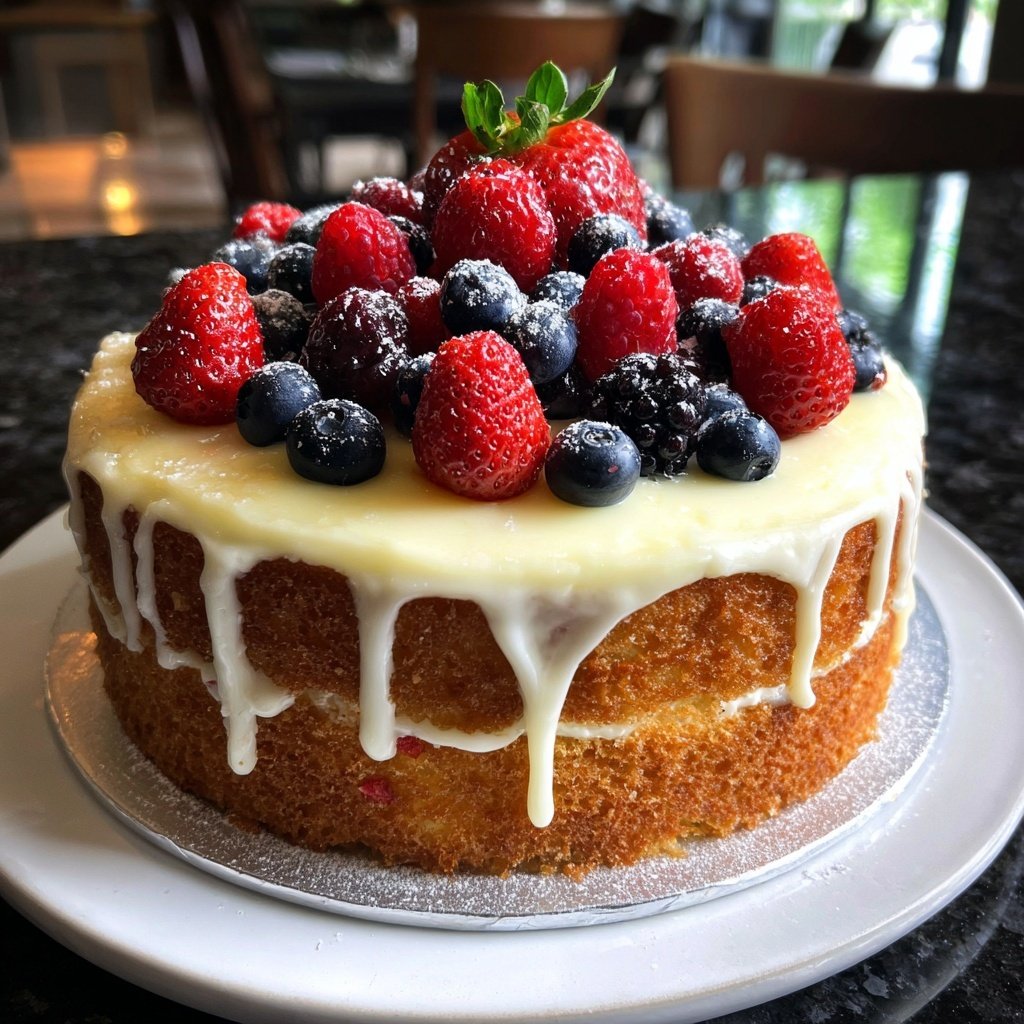
This Vanilla Sponge Cake is incredibly versatile when it comes to serving. For added indulgence, layer it with whipped cream and fresh berries, or drizzle a simple vanilla glaze over the top. If you're opting for a more classic presentation, a light dusting of powdered sugar works beautifully. You can also enjoy it plain with a cup of tea or coffee for a delightful afternoon treat.
When it comes to storage, keep the cake covered at room temperature for up to three days. It can also be wrapped tightly in plastic wrap and stored in the freezer for up to a month. Just make sure to double-wrap to prevent freezer burn. When ready to enjoy, let it thaw in the refrigerator for a few hours or at room temperature for about 30 minutes.
Ingredients
For the Cake
- 1 cup all-purpose flour
- 1 cup granulated sugar
- 1/2 cup unsalted butter, softened
- 3 large eggs
- 1/4 cup milk
- 2 teaspoons vanilla extract
- 1 teaspoon baking powder
- 1/4 teaspoon salt
Optional Toppings
- Powdered sugar
- Fresh berries
- Whipped cream
Instructions
Prepare the Oven
Preheat your oven to 350°F (175°C) and grease a 9-inch round cake pan.
Mix the Batter
In a mixing bowl, cream together the softened butter and sugar until light and fluffy. Add the eggs one at a time, ensuring each is fully incorporated before adding the next. Mix in the vanilla extract.
Combine Dry Ingredients
In a separate bowl, whisk together the flour, baking powder, and salt.
Combine Ingredients
Gradually add the dry ingredients to the wet mixture, alternating with milk. Mix until just combined; do not over-mix.
Bake
Pour the batter into the prepared cake pan and smooth the top. Bake in the preheated oven for 30 minutes or until a toothpick inserted in the center comes out clean.
Cool and Serve
Allow the cake to cool in the pan for 10 minutes before transferring it to a wire rack to cool completely. Dust with powdered sugar or top as desired.
Enjoy Your Cake!
Pro Tips
- For additional flavor, consider adding a splash of almond extract or zest from a lemon or orange to the batter.
Troubleshooting Common Issues
If your sponge cake doesn't rise as expected, it might be due to over-mixing the batter after adding the flour. This can develop the gluten too much, leading to a dense cake. Always mix just until the dry ingredients are incorporated. Moreover, ensure your baking powder is fresh; old leavening agents won't provide the necessary lift.
Another common issue is a cake that domes in the center. This might happen if the oven temperature is too high or if the batter is left to sit too long before baking. Always start with a preheated oven and try to bake the batter immediately after mixing for the best results.
Flavor Variations
While this Vanilla Sponge Cake is delicious as is, you can elevate the flavor by incorporating additional extracts, such as almond or lemon, into the batter. You might start with 1/2 teaspoon of your chosen extract, adjusting according to your preference. For a richer taste, go for brown sugar instead of granulated sugar, which adds depth with its molasses undertones.
For a chocolate version, simply replace 1/4 cup of the flour with unsweetened cocoa powder, which will maintain the texture while infusing a delightful chocolate flavor. This alteration can make it a perfect base for a chocolate ganache topping or rich buttercream.
Make-Ahead Options
One of the best things about this sponge cake is that it can be prepared ahead of time for special occasions. You can bake the cake a day in advance, ensuring it has ample time to cool completely before storage. Wrap it well to keep it fresh, and it will taste just as delightful the next day.
If you want an even simpler process for busy days, consider preparing the batter and refrigerating it for a few hours. Let it come to room temperature before baking, ensuring that the cake rises evenly. This way, you can achieve a fresh and fluffy cake with minimal fuss when the time comes to serve.
Questions About Recipes
→ Can I use cake flour instead of all-purpose flour?
Yes, cake flour will give you a finer crumb and a more tender texture. Adjust the liquid slightly if needed.
→ How can I ensure my cake doesn't sink in the middle?
Avoid over-mixing the batter and ensure your oven temperature is accurate; an oven thermometer can help with this.
→ Can I make this cake in advance?
Absolutely! You can bake the cake a day ahead, and it will stay moist when wrapped properly.
→ What other flavors can I add?
Experiment with lemon zest, orange zest, or even a handful of chocolate chips for a twist!
Dessert Vanilla Sponge Cake
Created by: The Jackiesrecipes Team
Recipe Type: Sweet Treats Recipes
Skill Level: Intermediate
Final Quantity: 8 servings
What You'll Need
For the Cake
- 1 cup all-purpose flour
- 1 cup granulated sugar
- 1/2 cup unsalted butter, softened
- 3 large eggs
- 1/4 cup milk
- 2 teaspoons vanilla extract
- 1 teaspoon baking powder
- 1/4 teaspoon salt
How-To Steps
Preheat your oven to 350°F (175°C) and grease a 9-inch round cake pan.
In a mixing bowl, cream together the softened butter and sugar until light and fluffy. Add the eggs one at a time, ensuring each is fully incorporated before adding the next. Mix in the vanilla extract.
In a separate bowl, whisk together the flour, baking powder, and salt.
Gradually add the dry ingredients to the wet mixture, alternating with milk. Mix until just combined; do not over-mix.
Pour the batter into the prepared cake pan and smooth the top. Bake in the preheated oven for 30 minutes or until a toothpick inserted in the center comes out clean.
Allow the cake to cool in the pan for 10 minutes before transferring it to a wire rack to cool completely. Dust with powdered sugar or top as desired.
Extra Tips
- For additional flavor, consider adding a splash of almond extract or zest from a lemon or orange to the batter.
Nutritional Breakdown (Per Serving)
- Calories: 300 kcal
- Total Fat: 15g
- Saturated Fat: 9g
- Cholesterol: 120mg
- Sodium: 150mg
- Total Carbohydrates: 36g
- Dietary Fiber: 1g
- Sugars: 20g
- Protein: 3g